
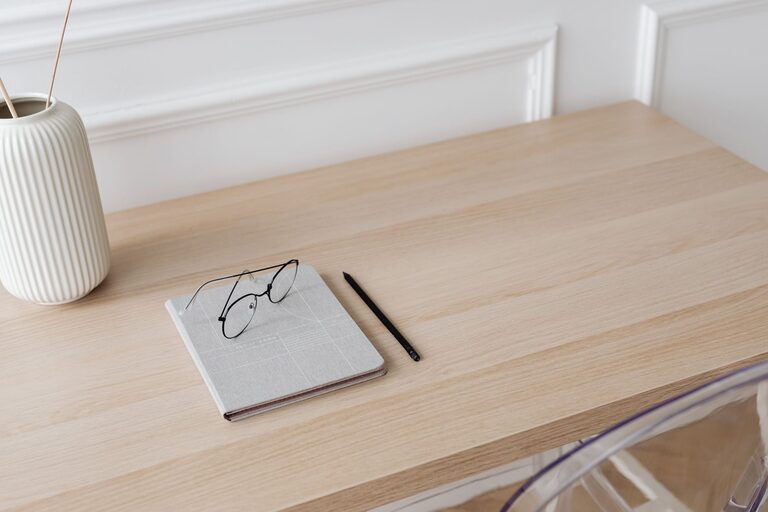
Creating a relaxing home workspace is essential for anyone who works remotely or spends significant time at a desk. A calm and comfortable environment not only helps reduce stress but also improves focus and productivity. Whether you have a dedicated room or just a corner of your living space, there are many ways to transform it into a soothing place to work. This guide will walk you through practical tips to help you create a relaxing and efficient home workspace.
1. Choose the Right Location
Finding a suitable spot is the first step. Ideally, pick an area that is quiet and has minimal distractions. If possible, choose a location with natural light, as sunlight has been shown to boost mood and energy levels.
– Avoid high-traffic areas like the kitchen or living room.
– If space is limited, a corner of a bedroom or a nook by the window can work.
– Consider noise levels; use noise-cancelling headphones or white noise machines if needed.
2. Invest in Comfortable Furniture
Comfort plays a major role in creating a relaxing workspace. Spending hours at a desk requires furniture that supports your posture and prevents discomfort.
– Choose an ergonomic chair with adjustable height and lumbar support.
– A desk with enough surface area for your essentials helps keep things organized.
– If you prefer standing sometimes, consider a sit-stand desk or a desk converter.
3. Optimize Lighting for Calm and Productivity
Good lighting reduces eye strain and creates a welcoming atmosphere.
– Maximize natural light by positioning your desk near windows.
– Use soft, warm artificial lighting to reduce harshness, especially in the evenings.
– Consider task lighting like a desk lamp for focused illumination.
4. Keep Your Space Organized and Clutter-Free
Clutter can increase stress and distract from your work. Keeping your workspace tidy helps maintain a peaceful environment.
– Use storage solutions such as shelves, drawers, or baskets to keep items off your desk.
– Only keep essential items within reach to avoid visual clutter.
– Develop a daily or weekly routine to tidy your workspace.
5. Personalize Your Workspace Thoughtfully
Adding personal touches can make your workspace feel inviting without causing distractions.
– Use plants to bring a bit of nature indoors; they can improve air quality and add color.
– Display a few inspirational quotes or artwork that motivates you.
– Choose calming colors for your decor, like soft blues, greens, or neutrals.
6. Incorporate Relaxation Elements
Including elements that help you relax can improve your overall work experience.
– A small diffuser with essential oils like lavender or eucalyptus can create a soothing scent.
– Keep a comfortable blanket or cushion nearby for moments when you need a short break.
– Use a small fountain or other sources of gentle sounds if you find it calming.
7. Minimize Digital Distractions
Technology is essential, but it can also be a source of distraction.
– Organize your digital tools and keep only necessary tabs open.
– Use apps or browser features to block distracting websites during work hours.
– Set your devices to “Do Not Disturb” mode to avoid interruptions.
8. Take Regular Breaks in Your Workspace
Even in a relaxing environment, it’s important to step away regularly to recharge.
– Use a timer or reminder to take short breaks every hour.
– Stretch or practice simple breathing exercises to reduce tension.
– If possible, step outside for fresh air or sunlight during breaks.
Conclusion
Creating a relaxing home workspace takes some planning and effort, but the benefits are well worth it. By choosing the right location, investing in comfort, optimizing lighting, and reducing clutter, you can build a space that supports your focus and well-being. Don’t forget to personalize your area and include calming elements to make your workday more pleasant. With these tips, your home workspace can become a sanctuary that helps you stay productive and relaxed.